Pressure Washing Your House

Sue Traeder • March 24, 2021

Selecting a Pressure Washer

selecting-a-pressure-washer
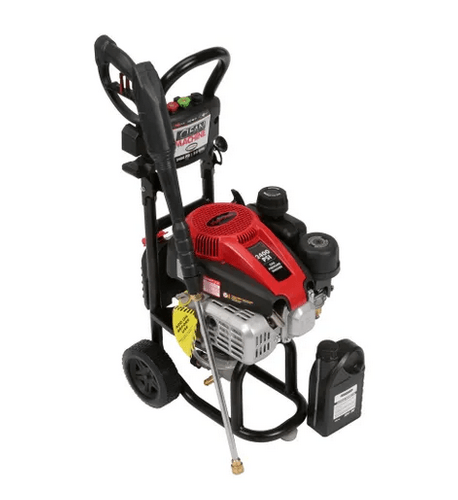
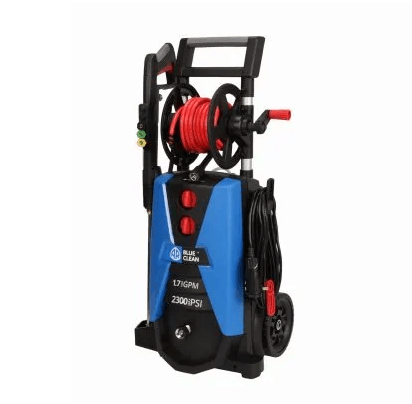
There are two types of pressure washers: gas-powered and electric. Gas-powered models are more powerful and mobile because they don’t require an extension cord. Electric models are usually less expensive and easier to carry and have a trigger-activated on/off feature.

A machine with a pressure level between 1,300 and 1,600 pounds per square inch (PSI) is good for general cleaning of your home’s exterior surfaces, such as siding, sidewalks, patios and patio furniture.

A machine with a pressure level between 1,800 and 3,000 (PSI) is for more serious work like stripping paint or stain off siding and decks. Some jobs could require more power though, so if you're not sure stop in and ask an expert at the Reedsburg True Value for advice, if needed.

Get Prepared

Assemble washer, if needed, as directed by the manufacturer. Read instructions carefully before operating the washer.
Connect it to your water spigot with a garden hose. Be sure that the hose is not kinked and that the connection is tight. Loose connections can be dangerous under pressure.

Squeeze the trigger of the washer wand to release any air inside before you turn on the water. For a gas-powered unit, fill the washer’s reservoir with gasoline to the recommended amount. For an electrical washer, connect the unit to power.

Activate Your Pressure Washer


Select a nozzle for the tip of the wand. Choose a nozzle that is appropriate for the job you’re doing. Check your owner’s manual for the appropriate suggested uses for each of the nozzles included with your washer. The included nozzles provide you with different amounts of pressure, from a narrow, laser-like stream to one a bit more powerful than a garden hose.


If you need to attach an extension wand to reach high or out-of-reach areas, do this before connecting the nozzle. Some home pressure washing jobs may require using chemicals or detergents. Add these before turning on the washer, as directed by the manufacturer.


Set the wand to off or low before starting up the washer to avoid losing control of the wand. Squeeze the wand trigger and then turn on the washer.


Be Safe! Pressure washers expel water at great force and can cause injury. Do not aim at animals or people and be sure you are in control of the wand when the machine is activated.


Let the Cleaning Begin


Before you begin, test the spray before hitting your target area. Stand at least 4' away and gradually move the point of the wand toward the desired area, making slow passes over it.


Stop and see if the area has been cleaned or stripped (if you’re using the washer to strip paint). If it is not, move closer and repeat. When you’ve found the ideal distance, begin cleaning again with slow movements of the wand until you’ve cleaned or stripped the area.


If you used a detergent or chemical, let the solution work into the area and then rinse with a water-only stream from the washer, or water from a garden hose.


You should always start with a lower pressure when unsure of the effects it may have on surfaces. You can then switch nozzles or change your standing distance to increase pressure, if needed.


It is not advised to hold the wand tip closer than 12" from the surface you are cleaning. The highest pressures from a washer can be damaging to siding, wood decks or similar surfaces if used incorrectly, while high pressure settings can be ideal for cleaning surfaces such as concrete.


If you’re cleaning an area with adjacent plants or patio furniture, move them or use tarps to protect them from the force of the spray and any detergents you may be using.


To Finish


When you’ve completed your home pressure washing, turn the washer off and then turn off the water at the spigot. Squeeze the trigger on the wand until all water has been expelled.


Disconnect the garden hose from the washer. After every pressure wash job, especially one where you used chemicals, it’s best to rinse surfaces with a garden hose to ensure that all dirt, debris and chemicals have been removed.


SHOP ONLINE FOR PRESSURE WASHERS or Visit Reedsburg True Value Today to Discover What's In-Store!!
February 23, 2026
In this video, discover how STIHL chainsaws simplify the daily work of tree care professionals – from the tree canopy to the ground.
February 18, 2026
A well-thought-out garden plan can save you time, money, and prevent the disappointment of a chaotic and struggling garden. Here are some tips to help you create your backyard oasis...
February 9, 2026
Martens Reedsburg True Value February Bargains of the Month - Prices valid until 2/28/2026 - Shop early for best selection, while supplies last!!
February 4, 2026
DIY Home Improvement Projects done right with supplies from Reedsburg True Value Superstore.
January 27, 2026
Be smart and stay warm in a power outage by making alternative heat sources as accessible as possible in case of an emergency.
January 19, 2026
Most of the items needed to supply your emergency car kit can be found at Martens Reedsburg True Value at everyday Great Value pricing. Stop by today and get prepared for your next road trip!
January 14, 2026
This go anywhere, clear anything snow blower by Ariens was designed and built unlike anything anyone has seen before. Watch this short video and you'll quickly see how the Mammoth is wreaking vengeance on snow.
January 5, 2026
Prices good for Reedsburg True Value Bargains of the Month through January 31, 2026 or while supplies last. Shop early for best selection!!
December 29, 2025
Tank water heaters waste a lot of energy every month due to their design. But there is something that homeowners can do to minimize this wasted energy. By installing a timer you can save energy and money.
December 23, 2025
When it comes to fishing for walleye, you don't need to wait for spring, summer, or fall. You can fish right through the cold, hard ice. Read on to learn how...